List of Scenes with Main Musical Numbers
ACT ONE:
• “Arrival” (Orchestra)
— Music and Orchestrations by Luscinda L. Dickey | 2025 Demo | Copyright 2025 —
SCENE ONE: Ms. Clara’s Wartime Shop of Useful Odds and Ends and the street just outside; Eastbourne, East Sussex, England; evening on Saturday, June 17, 1944.
• “Long Stems” (The Shopkeeper)
• “Millions of Words” (April)
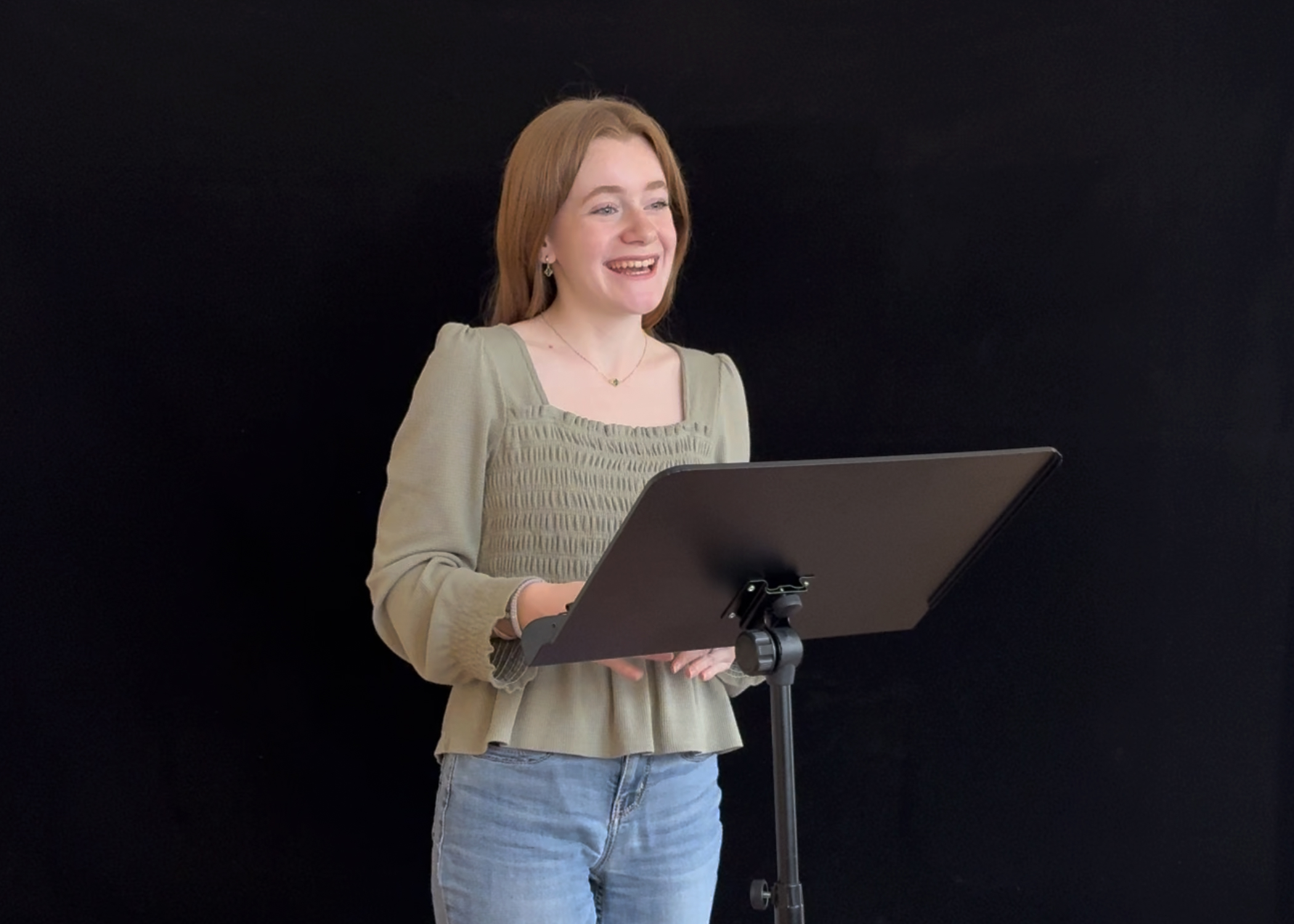
— Lyrics, Music, and Orchestrations by Luscinda L. Dickey | Vocals by Kira Byler (April) | 2025 Demo | Copyright 2025 —
SCENE TWO: April’s Study; Wimberly Manor; Beachy Head, East Sussex, England; the next evening.
• “The Song in the Suitcase” (Leona & Mr. Jenkins)
• “Who Am I to Say” (April)
SCENE THREE: The Parlor and Dining Room; minutes later.
• “Regina and Mister Fogg” (Young Finn & Young Regina)
• “Beneath a Venice Bridge” (Regina, Mr. Jenkins, Mrs. Jenkins, & April)
SCENE FOUR: April’s Study; perhaps half an hour later—around 9:45 that night.
• “Hope” (Regina)
SCENE FIVE: The Parlor; 4-o-clockish the next morning.
• “Follow the Nightjar’s Call” (Leona, Günter, Young Finn, Young Regina, & Regina)
• “Victoria’s Waltz” (Orchestra)
• “As Byron Said” (Regina, April, & Herr Dietrich)
SCENE SIX: Ms. Clara’s Wartime Shop of Useful Odds and Ends; a frigid afternoon six months later; a few days before Christmas.
SCENE SEVEN: The Parlor of Wimberly and Regina’s room at an evacuee boarding school in the countryside; New Years Eve, 1944 through May 8, 1945.
• “1945” (April, Regina, Mrs. Jenkins, Mr. Jenkins, Lord Charles, & Miss. Charlotte)
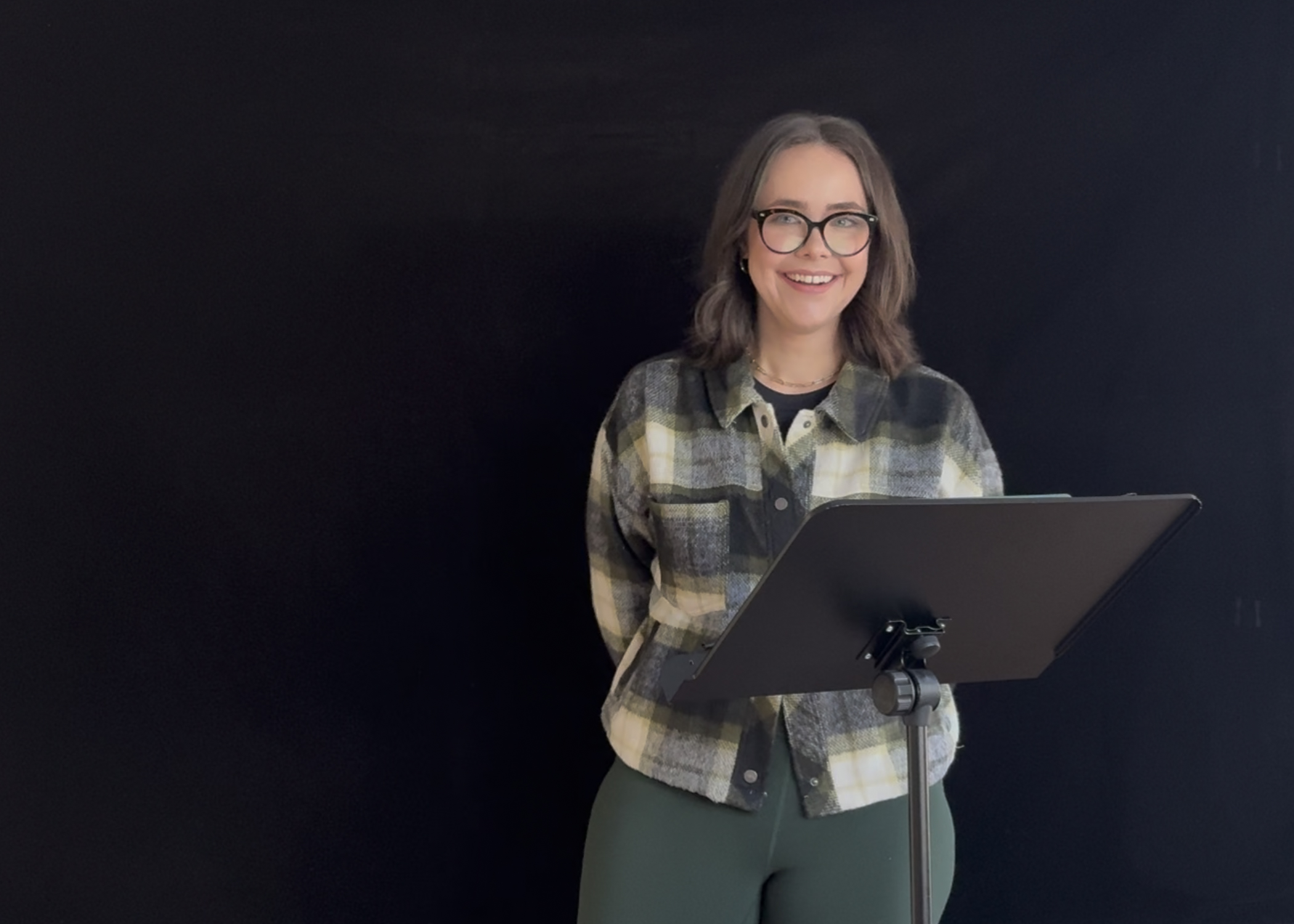
— Lyrics, Music, and Orchestrations by Luscinda L. Dickey | Vocals by Shayne Maggard (April) and Tara Flury (Regina) | 2025 Demo | Copyright 2025 —
ACT TWO:
A dark, uncertain limbo.
• “Before It Fades” (Troy)
SCENE ONE: April’s Study; a hot, late Saturday morning in May a week after VE-Day.
• “Dietrich’s Refrain” (Troy)
• “The Locket” (Leona)
SCENE TWO: The Parlor and Dining Room, transitioning to April’s Study; a couple evenings later; May 18-21, 1945.
• “Two Weeks” (April, Troy, Mrs. Jenkins, Mr. Jenkins, & Lottie)
SCENE THREE: The Great Hall of Wimberly Manor; late afternoon of May 31, 1945.
SCENE FOUR: The Great Hall; perhaps half an hour later; a storm looming.
• “Finde mich” (Leona, Günter, Young Regina, Young Finn, & Regina)
SCENE FIVE: The Parlor; minutes later.
• “Irrelevant” (Troy)
• “Reprise” (Regina & Troy)
SCENE SIX: The Great Hall; that evening through that night.
• “Let the Curtain Rise” (April)
• “Through Darkness” (Orchestra)
SCENE SEVEN: Ms. Clara’s Shop of Useful Odds-and-Ends; two months later; an early August morning.
• “Departure” (April, Regina, Troy, & Leona)
Notes on the Orchestra, the Style, and the Symbolism
The Suitcase includes around 30 original songs/works of music (this includes underscoring for dialogue) and is scored for a chamber orchestra. This orchestra should consist of around 25-30 musicians, though it may be scaled up and down. A rough breakdown of parts is as follows:
• Woodwinds: Flute (1 solo part), Oboe (1 solo part), & Bb Clarinet (1 solo part)
• Brass: French Horn (1 solo part)
• Strings: Violins (3 parts: 1st, 2nd, and 1 solo), Violas (2 parts including 1 solo), Violoncellos (3 parts: 1st, 2nd, and 1 solo), & Contrabass (2 parts including 1 solo)
• Keyboardist: Piano & Celesta (1 part, can be split between 2 players)
• Percussionists: (2 parts)
The music itself explores a unique realm of theatrical/sonic storytelling. It ranges from avant-garde atonalism to folksong-inspired motifs; from complex, contemporary musical theatre to 1940s swing. The orchestra also creates all in-story sound effects live—from the wailing of an air raid siren to the ringing of a telephone!
The four string-section soloists are symbolic parallels to the story. The first three represent the three main characters of the musical:
Solo Violin: April Ellis, The Playwright—an ambitious young noble woman struggling for release from a stifling existence of duty and a past of artistic failure. Dependable, daring, self-critical, skilled. April’s music melds contemporary musical theatre vigor with the lilt of English folksong. Her music is always striving.
Solo Viola: Regina Borman, The Traveler—a captivating lover of stories who has explored much of the world with a single suitcase, a locket, and a heart full of books. Imaginative, loyal, compassionate, haunted. Regina’s music pairs long lines and rich harmony with unsettling diatonicism. Her music is always searching.
Solo Violoncello: William Troy Gillenwater, The Actor—a compelling actor and a soldier in the U.S. Army who fights to reconcile his two estranged sides in a war of history, art, and self. Artistically sensitive, sincere, conflicted, steadfast. Troy’s music is a clash of expressive melody and driving, syncopated rhythm. Markedly, none of his solos end in a pure, authentic cadence—his music is always fighting.
The fourth string-section soloist represents both the story’s physical antagonists and emotional conflict:
Solo Contrabass: Lord Charles and Günter Borman—two men vastly separated by time and culture who have succumbed to the same, consuming darkness of sadism, narcissism, and fear. Their music spans from snappy swing lines to heavy, sustained drones. It is always menacing.
Click here for more details on the characters.
THE SUITCASE
Book by Luscinda L. Dickey
Music, Lyrics, & Orchestrations by Luscinda L. Dickey
Additional Lyrics by Kira Byler
Download my résumé and headshot.
email: actress@LuscindaDickey.com
© Luscinda L. Dickey 2026, all rights reserved.

